Exploring the Globe of Spirits: A Comprehensive Guide to Beer, Wine and Alcohol
The globe of spirits is a captivating domain name, rich with background and workmanship. Beer's advancement from old human beings to modern-day craft breweries discloses much regarding cultural practices. Wine varietals showcase the one-of-a-kind terroirs of their grapes, while the art of distillation transforms standard active ingredients into sophisticated alcohols. Understanding these elements can significantly boost admiration and satisfaction. The journey does not end there; the subtleties of matching these beverages with food wait for expedition.
The Rich History of Beer: From Ancient Mixtures to Modern Craftsmanship
Although beer has advanced significantly over centuries, its origins can be traced back to old worlds that uncovered the fermentation procedure. Evidence recommends that the Sumerians, around 5,000 BCE, made a rudimentary type of beer, establishing it as a staple in their culture. The Egyptians later on improved brewing strategies, incorporating different grains and tastes. Throughout history, beer ended up being a public beverage, representing friendliness and party. The Middle Ages saw the increase of abbeys as centers of brewing, resulting in the growth of distinct designs. With the Industrial Transformation, mass production transformed beer into a global commodity. Today, the craft beer activity highlights conventional approaches and innovative flavors, mirroring a deep gratitude for beer's rich heritage while embracing modern-day creative thinking.
A glass of wine Varietals and Their One-of-a-kind Characteristics
The Art of Distillation: Recognizing Liquor Production
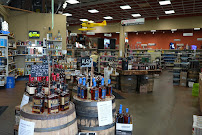
The intricate procedure of distillation plays a vital role in the manufacturing of alcohol, changing fermented active ingredients into high-proof spirits. This method involves heating a fermented fluid, permitting the alcohol to evaporate, and afterwards condensing it back right into liquid kind (Southern Spirits - Beer, Wine & Liquor Store). The key to reliable purification depends on the splitting up of alcohol from water and other parts, which needs precision and control over temperature. Different kinds of stills, such as pot stills and column stills, affect the end product's character. Distillers often carry out several rounds of purification to boost purity and flavor. Inevitably, the art of distillation not only protects the essence of the original ingredients yet likewise elevates the preference account, developing a varied array of spirits appreciated worldwide
Pairing Food and Beverages: Elevating Your Dining Experience
The best pairing of food and beverages can considerably improve the general experience when it comes to dining. Professional pairings can raise flavors, developing an unified balance on the taste. For example, a crisp white wine matches seafood, while a bold merlot can boost the richness of red meats. Beer uses flexibility, with light ales matching well with spicy dishes, and stouts boosting delicious chocolate desserts. Additionally, spirits can include an interesting dimension; gin's botanicals may highlight fresh natural herbs in a recipe. Comprehending the principles of level of acidity, sweetness, and appearance helps restaurants make notified choices. Ultimately, thoughtful pairings not just boost taste yet likewise create memorable cooking experiences, enabling guests to appreciate the art of gastronomy fully.
Discovering Worldwide Consuming Traditions and cultures
Culinary experiences are deeply intertwined with the traditions of alcohol consumption across different cultures. In several societies, drinks offer not just as refreshments yet as integral elements of routines and events. As an example, in Japan, purpose is commonly appreciated throughout ceremonies and celebrations, signifying respect and consistency. In Mexico, tequila is commemorated with vibrant celebrations, showing the nation's abundant heritage. In a similar way, in Germany, beer takes spotlight throughout Oktoberfest, showcasing neighborhood developing traditions. Each culture has one-of-a-kind practices bordering drinking, from toasting custom-mades to the relevance of local active ingredients. These practices foster area, boost culinary experiences, and provide insight into the worths and history of each society, highlighting the extensive function that drinks play in social identity.
Tips for Sampling and Appreciating Spirits Like a Pro
Understanding exactly how to appropriately taste and value spirits needs attention to detail in numerous essential locations. Choosing the best glass wares, assessing scent and flavor, and using effective tasting methods can considerably enhance the experience. By understanding these components, lovers can appreciate spirits check my source like true connoisseurs.
Correct Glasses Selection
Exactly how can the right glasses improve the sampling experience of spirits? Choosing suitable glassware is vital for totally valuing the nuances of different spirits. Various types of glasses are developed to highlight details qualities of the drink. A tulip-shaped glass concentrates fragrances, making it perfect for whiskies and brandies. liquor store near me. On the other hand, a wide dish glass is much better fit for cocktails, permitting a broader surface area to blend active ingredients. In addition, the material and thickness of the glass can affect temperature level and mouthfeel. Utilizing crystal or high-grade glass can raise the experience, as it frequently reflects light beautifully and includes a component of refinement. Inevitably, the best glass boosts both the tactile and aesthetic pleasure of spirits
Aroma and Flavor Assessment
Aroma and flavor play important functions in the admiration of spirits, and grasping their analysis can boost one's sampling experience. Reviewing scent begins with a mild swirl of the glass, which launches unpredictable substances. A deep breathing permits the identification of different notes, such as fruity, spicy, or herbal characteristics. Flavor evaluation involves taking a little sip and letting the spirit coat the taste buds, exposing its intricacy. The first preference, mid-palate nuances, and sticking check my site around surface offer insight into the spirit's high quality and workmanship. It is vital to continue to be mindful of individual prejudices, allowing for an objective analysis. Documenting impressions can aid in establishing a refined taste buds, improving future samplings and cultivating a much deeper appreciation for the art of distillation.
Tasting Methods and Tips
Grasping the evaluation of fragrance and taste establishes the structure for effective sampling techniques and suggestions that can elevate one's appreciation of spirits. One should observe the spirit's color and quality, as these facets can suggest high quality. Next, using a correct glass, swirl the fluid carefully to release aromas, then take a moment to breathe in deeply. This action boosts the olfactory experience. When sampling, allow the spirit to layer the palate, noting the preliminary flavors, mid-palate complexity, and finish. It is essential to take small sips, appreciating each minute. Additionally, consider the balance of acidity, bitterness, and sweet taste. Ultimately, writing perceptions can help in refining preferences and enhancing future tastings, creating a much more gratifying experience.
Regularly Asked Concerns
What Are the Health And Wellness Advantages of Moderate Alcohol Usage?
Moderate alcohol usage may use certain health and wellness benefits, such as boosted cardiovascular health, boosted social communications, and potential long life. Nevertheless, these advantages should be weighed versus the risks connected with alcohol usage and individual wellness conditions.
How Should I Store Opened Up Containers of Wine and Liquor?
Keeping opened up containers of wine and liquor needs correct securing and temperature control. Red wine must be maintained upright in an amazing, dark area, while alcohol can be stored at space temperature level, snugly sealed to avoid oxidation.
What Is the Difference Between ABV and Evidence in Alcohol?
The distinction between ABV (Alcohol by Quantity) and evidence depends on measurement. ABV suggests the percent of alcohol in a beverage, while proof is two times the ABV percentage, providing a comparative stamina analysis of alcoholic drinks.
Can I Mix Different Kind Of Alcohol Safely?
Blending various kinds of alcohol can be done securely, yet small amounts is key. Overconsumption may result in damaging results. Private resistance levels differ, so it is essential to be aware and conscious of one's limitations.
Exactly how Do I Comprehend and read Alcohol Labels?
Recognizing alcohol tags involves taking a look at the alcohol by volume (ABV), active ingredients, serving size, and any kind of health and wellness cautions. This understanding helps customers make notified selections concerning their preferences and prospective health effects connected with consumption.

Comments on “Shop smart at the abc store and enjoy affordable selections every day”